

Are there any cultural differences in soccer wear preferences?
Aug 13, 2026
Leave a message
Soccer, often hailed as the beautiful game, unites people across the globe with its thrilling action and universal appeal. But beneath the surface of the pitch, a fascinating world of cultural differences in soccer wear preferences unfolds. As a soccer wear supplier, I've had the privilege of witnessing firsthand how diverse cultures express their love for the sport through the clothing they choose. In this blog post, we'll delve into the rich tapestry of soccer fashion, exploring the unique styles, materials, and colors that resonate with fans and players from different corners of the world.
Regional Styles and Design Preferences
One of the most striking aspects of cultural differences in soccer wear lies in the regional styles and design preferences. In Europe, home to some of the world's most prestigious soccer leagues, traditions and heritage play a significant role in shaping the design of team jerseys. Classic teams like Manchester United and Barcelona are known for their iconic red and white and blue and red striped jerseys, respectively. These designs not only represent the club's history but also evoke a sense of pride and loyalty among fans.
In contrast, South American soccer is characterized by a more vibrant and flamboyant style. Brazilian soccer teams, for example, are famous for their bright yellow jerseys, which symbolize the nation's rich culture and enthusiasm for the game. The jerseys often feature bold patterns and intricate designs, reflecting the creative and expressive nature of Brazilian soccer. Similarly, Argentine teams are known for their passionate fan base and the iconic blue and white striped jerseys worn by the national team, which are a source of national pride.
In Asia, soccer wear preferences are influenced by a blend of traditional and modern elements. In countries like Japan and South Korea, soccer fashion has evolved to incorporate local cultural motifs and contemporary design trends. For instance, Japanese soccer jerseys may feature traditional Japanese patterns or symbols, adding a unique touch to the design. At the same time, the use of high-tech materials and innovative manufacturing techniques reflects the region's emphasis on performance and functionality.
Materials and Comfort
Another important factor that varies across cultures is the choice of materials for soccer wear. In regions with hot and humid climates, such as Africa and the Middle East, lightweight and breathable fabrics are highly preferred. These materials help keep players cool and comfortable during intense matches, reducing the risk of heat exhaustion. Synthetic materials like polyester and nylon are commonly used in these regions due to their moisture-wicking properties and durability.
In contrast, in colder climates, such as Northern Europe and North America, soccer players and fans often opt for warmer and more insulating materials. Fleece, wool, and down are popular choices for jackets and sweaters, providing warmth and protection against the elements. Additionally, the use of waterproof and windproof materials is crucial in regions where rainfall and strong winds are common.
The comfort of soccer wear is also a key consideration in different cultures. In some countries, players prefer loose-fitting jerseys and shorts to allow for greater freedom of movement, while in others, a more form-fitting style is favored for enhanced performance. Cultural norms and personal preferences also play a role in determining the level of comfort required. For example, in some cultures, it is common to wear multiple layers of clothing during a game, while in others, players prefer to wear as little as possible to stay cool.
Colors and Symbolism
Colors hold significant cultural meaning in soccer wear, representing teams, countries, and emotions. In many cultures, certain colors are associated with national pride, loyalty, and tradition. For example, the colors red and blue are commonly used by soccer teams around the world, but they can have different meanings depending on the context. In England, red is often associated with the national team and many of the country's top clubs, symbolizing passion and determination. In contrast, in Spain, red is the color of the national team and represents strength and courage.
Other colors, such as green and yellow, are often associated with specific countries or regions. Green is a symbol of hope and prosperity in many African countries, and it is commonly used in the jerseys of African soccer teams. Yellow, on the other hand, is often associated with the sun and represents joy and happiness. In Brazil, the national team's yellow jerseys are a source of national pride and symbolize the country's vibrant culture and love for soccer.
In addition to their cultural significance, colors can also have a psychological impact on players and fans. For example, studies have shown that red can increase aggression and competitiveness, while blue can have a calming effect. Some teams may choose to wear certain colors to gain a psychological advantage over their opponents or to create a specific atmosphere in the stadium.
Accessories and fan culture
Soccer wear is not just about jerseys and shorts; accessories also play an important role in expressing cultural identity and supporting teams. In many countries, fans wear scarves, hats, and badges to show their allegiance to their favorite teams. These accessories often feature the team's colors, logo, or motto, and they are an essential part of the fan experience.
In some cultures, soccer fans take their support to the next level by creating elaborate costumes and props. For example, in Italy, the ultras are known for their passionate and creative displays of support. They often wear masks, flags, and banners, and they create choreographed displays in the stands to show their love for their team. Similarly, in South America, soccer fans are famous for their colorful and energetic celebrations, which often involve music, dancing, and fireworks.
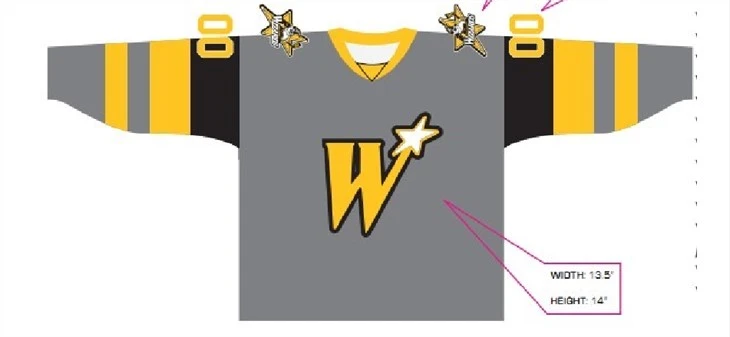
As a soccer wear supplier, I understand the importance of catering to the diverse needs and preferences of fans and players from different cultures. That's why we offer a wide range of products, including Plain Baseball Jacket, Twill Embroidered Hockey Jersey, and Cheaper Wrestling Singlet, to meet the demands of our customers. Whether you're a professional player, a casual fan, or a team manager, we have the perfect soccer wear for you.

Conclusion
In conclusion, cultural differences in soccer wear preferences are a fascinating reflection of the diverse cultures and traditions that make up the global soccer community. From the regional styles and design preferences to the choice of materials, colors, and accessories, every aspect of soccer fashion is influenced by cultural factors. As a soccer wear supplier, I am constantly inspired by the rich tapestry of soccer culture and the unique ways in which people express their love for the game through the clothing they wear.
If you're interested in learning more about our products or have any questions about soccer wear, please don't hesitate to contact us. We would be delighted to discuss your needs and help you find the perfect soccer wear for your team or personal use. Let's celebrate the beautiful game together!
References
- Cashmore, E., & Cleland, J. (2003). "The Changing Faces of European Football Fans." In European Football in the New Millennium, edited by E. Cashmore and A. Parker, 21-38. Routledge.
- Giulianotti, R. (2005). Football: A Sociology of the Global Game. Polity Press.
- King, A. (1998). The End of the Terraces? Football, Identity and Modernity. Berg.